Adding Battery Storage to Solar Panels You Already Have
Published 15 October 2026 · Updated 15 October 2026 · By ElectriVolt
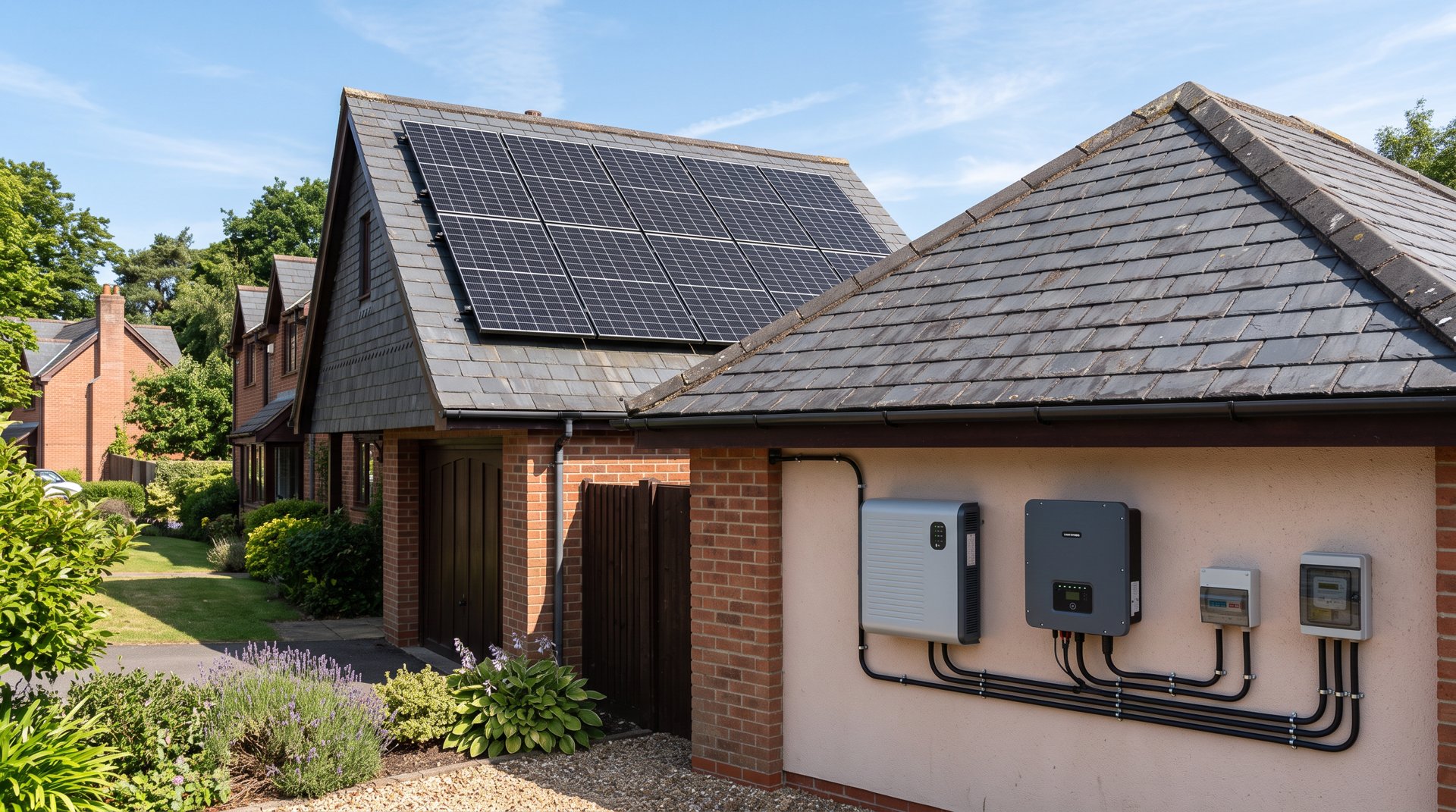
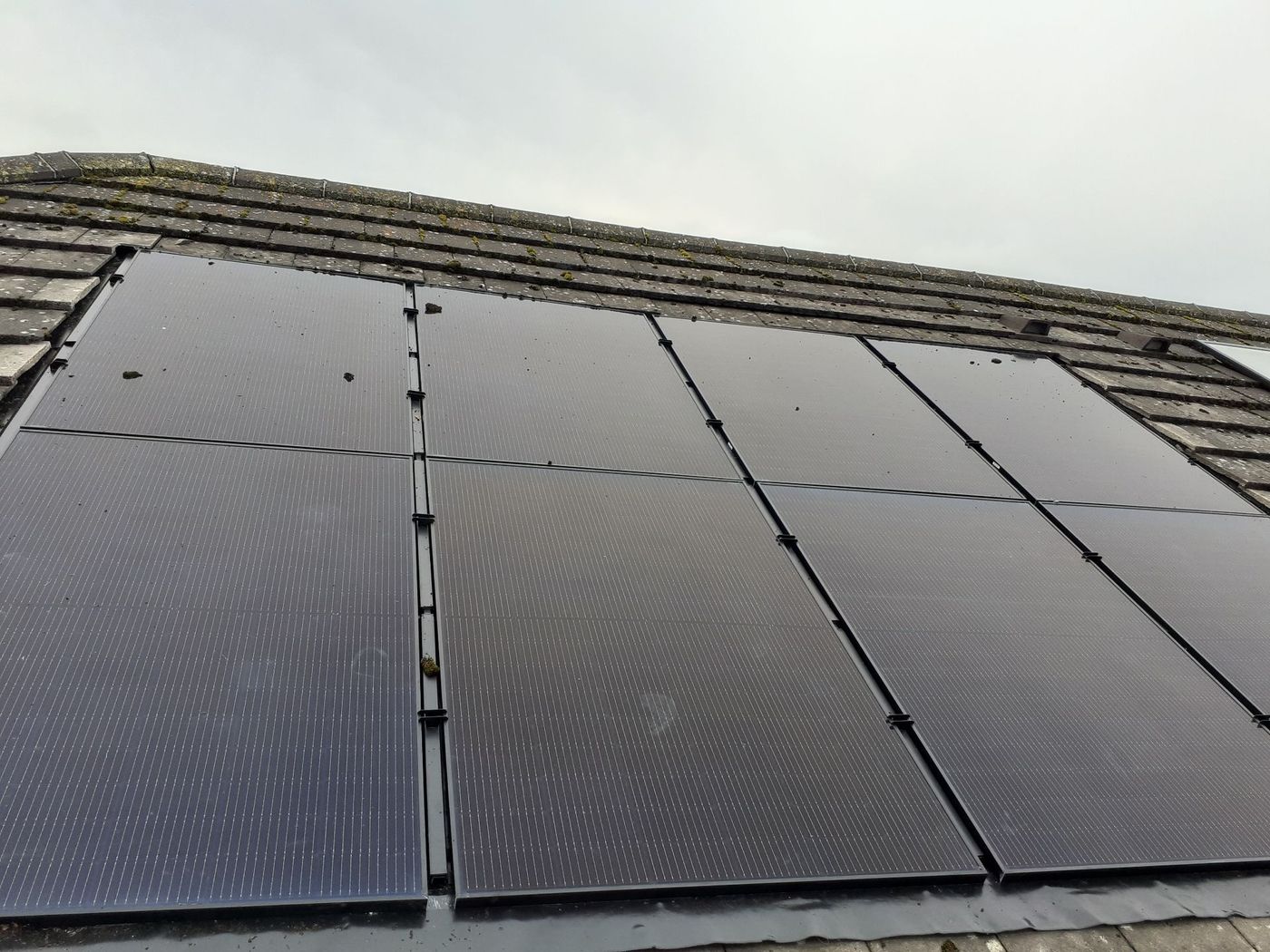
If your solar panels went on a few years ago, you probably have an inverter, a generation meter and a roof full of panels that make most of their electricity when you are out. A battery changes what happens to that surplus. Instead of sending it to the grid at midday, you keep it for the evening.
Adding one to an existing system is a different job from fitting a battery with new panels, though. The question is rarely “which battery?”. It is “how does this one connect to what I already own?”.
Can you add battery storage to existing solar panels? Yes. A certified installer can connect a battery to your current system. What matters is compatibility with your existing inverter, whether the battery is AC or DC coupled, and what the change does to any export tariff you are on. The installation must also be notified to your network operator.
Why retrofitting is different from a new system
A new solar and battery system is designed as a whole, so the inverter, battery and meters are chosen to work together. A retrofit starts from equipment that already exists. MCS says a certified installer can connect a battery to your current system and advises checking that your chosen battery is compatible with your existing or planned solar setup. Which? is blunter: if retrofitted to existing solar PV, you may need a new inverter.
That one sentence is where most retrofit surprises come from. The inverter that turns your panels’ direct current into mains electricity may or may not be able to work with a battery. Find out before you buy, not after.
AC-coupled or DC-coupled: the choice that matters most
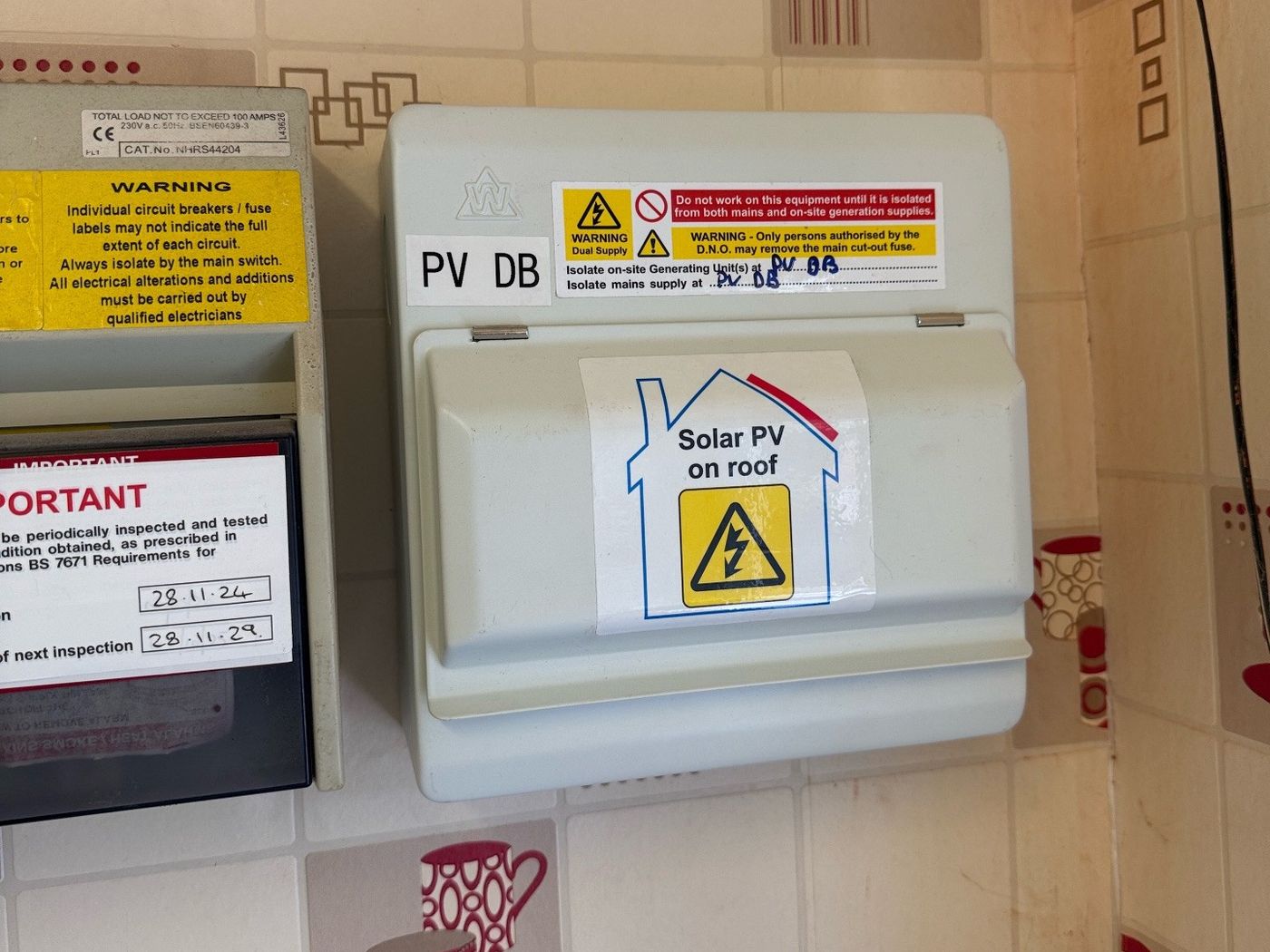
There are two ways to connect a battery to solar panels, and for an existing system they are not equal. Which? explains the difference like this: a DC system connects the battery directly to the generation source, before the generation meter, and needs no extra inverter. An AC system connects after the generation meter and needs a power unit that converts electricity in both directions.
| DC-coupled | AC-coupled | |
|---|---|---|
| Where the battery connects | Directly to the generation source, before the generation meter | After the generation meter |
| Extra equipment | No extra inverter needed | A power unit converting AC and DC both ways |
| Efficiency of charging and discharging | Less efficient | Not flagged as an issue |
| Effect on a feed-in tariff | Could affect it, if you have one | Will not affect feed-in tariff payments |
| For an existing solar system | Not usually recommended | The usual choice for a retrofit |
The feed-in tariff point matters if your panels were installed under the old scheme. Feed-in tariff payments are based on the generation meter, and Which? says a DC-coupled battery’s less efficient charging and discharging could affect them. If you are on a feed-in tariff, ask the installer in writing how the battery will affect it.
Our view: before looking at battery brands, find out what inverter you have, how old it is and whether it can work with a battery. Everything else follows from that. A battery chosen first and the inverter discovered later is how a straightforward job becomes a more complicated one.
What a battery does to your export payments
The Smart Export Guarantee (SEG) pays you for electricity you send back to the grid. Under it, SEG licensees determine the rate, contract length and other terms, and payments are calculated from export meter readings. A battery changes both ends of that.
Which? says that with a battery your exports are likely to fall, and your SEG payments with them, because you are using more of your own generation. It also says having a storage battery may render you ineligible for some SEG tariffs. And MCS reminds households that you must apply directly to a SEG tariff supplier to be paid. So before the battery goes in, read your current tariff. If it is a poor fit, you may want to switch to one that suits a home with storage.
The Energy Saving Trust describes the best case: if the battery is full and your panels generate more than you use, you can sell the surplus to your supplier through an SEG tariff. The battery does not stop you exporting. It changes when and how much.
What has to be notified
A battery is a significant change to your electrical connection, and the rules treat it that way. Government guidance says you must notify your local Distribution Network Operator if you install battery storage. In most cases the installer does the paperwork, and it comes in two forms:
- Connect and notify (G98). The installer can proceed, then submits the notification within 28 days of installation.
- Apply to connect (G99). The application has to be made and approved before installation. If a battery is being added with a generation device, a fast-track route exists for fully type-tested integrated systems.
The installer works out which applies. But the guidance is explicit that it is the owner’s responsibility to make sure the network operator has been notified. Ask for confirmation in writing. In England and Wales you should also receive a Building Regulations completion certificate for notifiable work, which you will want when you sell the house.
Where the battery goes, and how long it lasts
The Energy Saving Trust describes a typical home battery as roughly 100 cm by 60 cm by 25 cm, about the size of a washing machine that is much less deep. It can go in a garage, on an external wall or in a utility room. Batteries also have a shorter life than panels: the same source says a typical battery lasts about 10 to 12 years, so ask about warranties for both the battery and the installation.
Which? makes the same point from the other direction, noting that batteries are likely to need replacing during the lifetime of a solar PV system. A good installer will plan where the replacement will go and how it will connect, not just where the first one sits.
Questions to ask any installer before you agree
- Is my existing inverter compatible, or do I need a new one?
- Will you AC-couple it, and if not, why not?
- What will it do to my feed-in or export tariff? Get the answer in writing.
- Will it work in a power cut, and for what?
- Who notifies the network operator, and when will I see confirmation?
- Is the installer MCS certified? MCS says you can check using its Find an Installer search, ideally at the quote stage, before signing and before work starts.
Dan is MCS certified for solar, and our solar and battery storage work starts with looking at what is already on your roof and in your garage. If the board your electrics run from is also due attention, our consumer unit work covers that side.
Common questions
Can you add a battery to solar panels you already have?
Yes. MCS says a certified installer can connect a battery to your existing solar panels so you can store the energy they generate and use it later. The battery has to be compatible with your existing system, and you may need a new inverter.
Is AC or DC coupling better for an existing solar system?
For a retrofit, AC coupling is the usual choice. Which? says DC systems are not usually recommended when retrofitting a battery to existing solar PV, and that an AC system will not affect feed-in tariff payments.
Will a battery reduce my Smart Export Guarantee payments?
Probably. Which? says exports, and therefore payments, are likely to fall with a battery, because you use more of your own electricity. It also says a battery may make you ineligible for some SEG tariffs, so check the terms of yours before you install.
Do I need to tell the network operator about a battery?
Yes. Government guidance lists battery storage among the devices you must notify your Distribution Network Operator about. Your installer should handle the paperwork, but the guidance puts the responsibility on the owner to make sure it has been done.
Will a home battery work in a power cut?
Not necessarily. Which? advises asking your installer whether the battery will work in a power outage, because not all systems are designed to. Decide whether backup matters to you before you choose the equipment.
Thinking of adding a battery to your solar panels?
We will look at your existing system first, tell you honestly whether a battery suits it, and explain the options before you commit. Free quotes, no callout charge.
Talk to ElectriVolt, or read more about our solar and battery storage work.


