Compliance work, scheduled around your tenants.
Rental certificates, remedial work, shops, offices and units across Sheffield. Work planned around trading hours and tenancies so it costs you as little disruption as possible.
Landlords: your actual obligations
If you let residential property in England, the fixed electrical installation must be inspected and tested at least every five years by a qualified person. Private landlords have been covered since 2020; the same duty was extended to social landlords from 1 November 2025.
- Give the tenant a copy of the report within 28 days — and before they move in for a new tenancy.
- Supply it to the local authority within 7 days if requested.
- Keep it until the next inspection falls due.
- Carry out any remedial work the report requires, and get written confirmation it’s been done.
Enforcement sits with the local authority, and the financial penalties for non-compliance are considerably larger than the cost of the inspection. The practical risk, though, is the insurance one: a claim following an electrical incident is a bad time to discover the certificate expired.
Managing several properties? We’ll track the expiry dates and tell you when each one is due, rather than leaving you to diary them. Portfolios get inspected on a rolling schedule so you’re not hit with everything in the same month.
Remedial work
Where a report comes back unsatisfactory, we quote the remedial work itemised against the codes that caused it — so you can see what’s being fixed, why, and what it costs. If another electrician produced the report, that’s fine; we’ll work from theirs.
We’ll also tell you when remedial work isn’t the economic answer. On some older properties the sensible route is a partial rewire or a consumer unit upgrade rather than a series of individual repairs that keep recurring.
Commercial work
Shops, offices, workshops and industrial units — installation, alteration, inspection and repair. The commercial constraint is almost always time rather than complexity: work has to happen without stopping trade.
How we work around that
- Out-of-hours and early starts where shutting down in trading hours isn’t an option.
- Phased isolation so only part of a site goes off at once.
- Three-phase distribution, containment, and adding circuits to existing boards.
- Periodic inspection and PAT testing to keep insurance and health and safety documentation current.
Empty periods are the cheap time
The gap between tenancies is the least disruptive and least expensive moment to do electrical work — no tenant to work around, no restricted hours, and circuits can be off all day. If you know a property is coming empty, that’s the time to book anything outstanding.

Things people ask
How often do rental properties need an EICR?
At least every five years, or sooner if the inspector specifies a shorter interval. A new tenant must have the report before they move in; existing tenants get it within 28 days of the inspection.
Can you work outside trading hours?
Yes. For commercial premises that’s often the only workable approach, so we’ll plan the work around when you’re closed and phase isolations so only part of the site is affected at a time.
Will you work from another electrician’s report?
Yes. If you’ve had an EICR done elsewhere and need the remedial work quoted, send it over. We’ll price it against the codes as they’re written.
Do you handle multiple properties?
Yes, and we’ll track renewal dates so inspections come up on a rolling schedule rather than all landing at once. It spreads the cost and means nothing quietly expires.
Other work we take on.
Full & partial rewires
Older properties brought up to current standards, room by room or all at once.
Learn more →
Consumer unit upgrades
Old fuse boards replaced with modern RCBO units, tested and certified.
Learn more →
Guides on Landlord & Commercial.
 Smoke and Carbon Monoxide Alarm Rules for Landlords: What Has to Be Fitted and TestedSmoke and carbon monoxide alarm regulations for landlords in England: which rooms need alarms, the start-of-tenancy test, and the penalties…22 October 2026 · 7 min read
 How Often Does a Rented Property Need an EICR? The Rules Landlords Actually Have to FollowHow often does a rented property need an EICR? At least every 5 years - plus the 28-day and 7-day…8 September 2026 · 8 min read
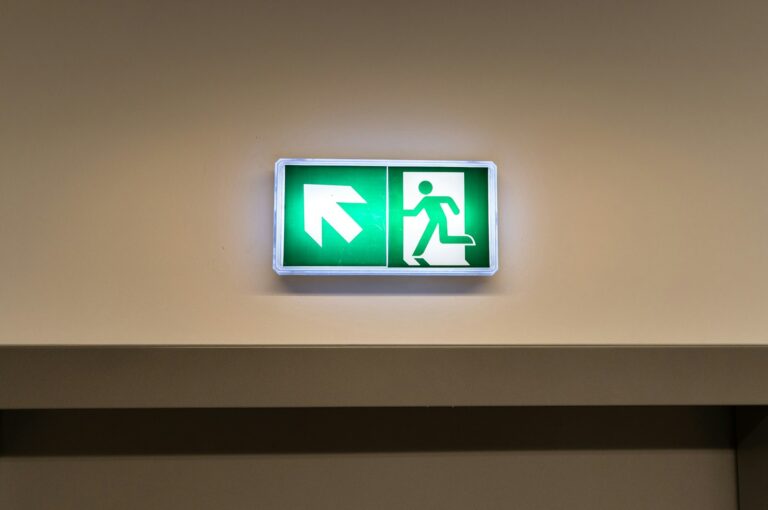 How Often Should Emergency Lights Be Tested? Monthly, Annual and the Log BookA monthly functional test, an annual full-duration test and a log book that records both. How to do each one…1 October 2026 · 8 min read