Detection specified to the right grade.
Mains-wired smoke and heat detection for homes, HMOs and commercial premises — specified to the grade the property actually needs, installed, tested and certificated.
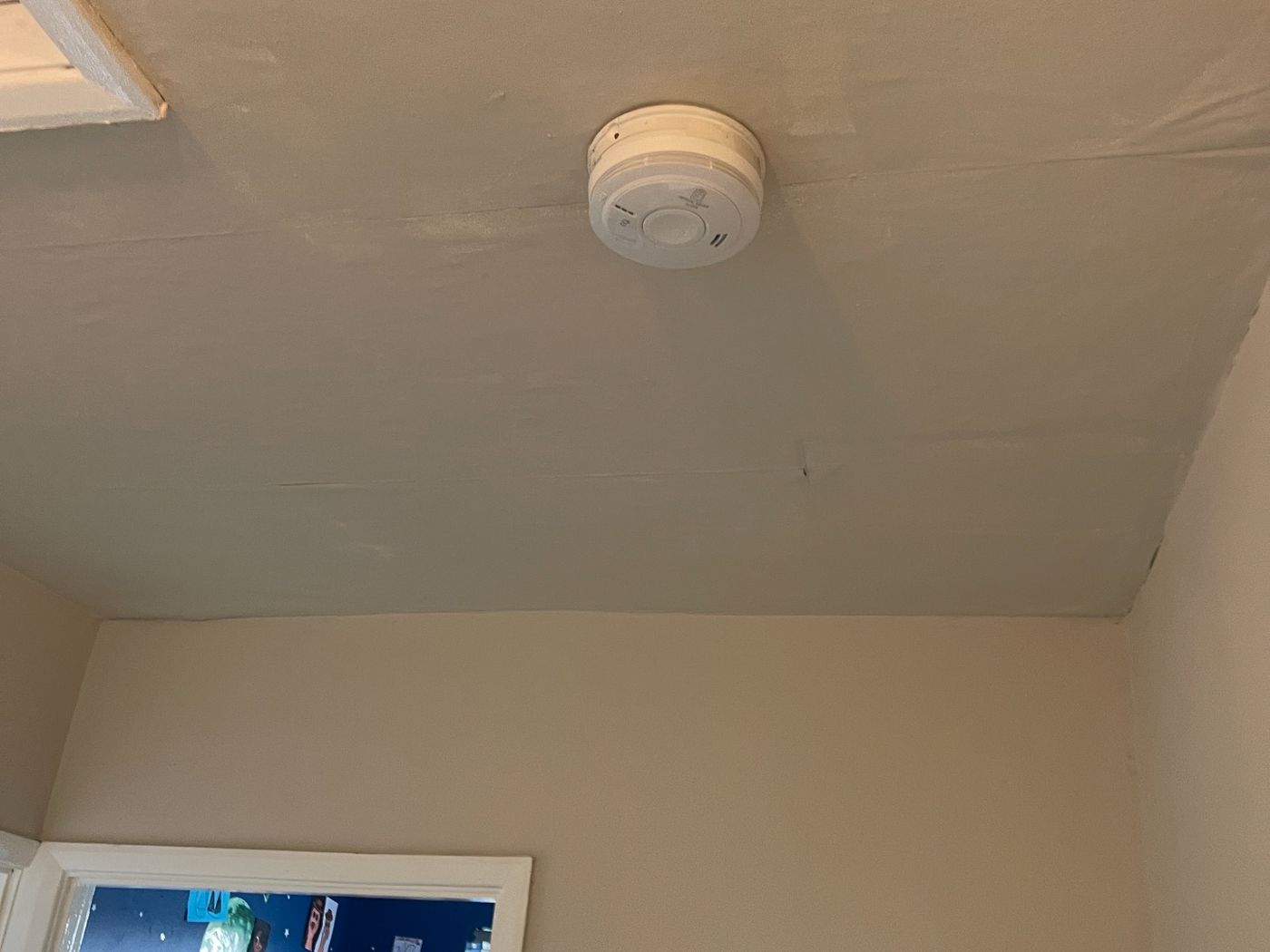
Grades and categories, briefly
Fire detection in dwellings is described by a grade (the kit) and a category (the coverage). It sounds bureaucratic until you’re letting a property and someone asks which one you’ve got.
- Grade D — mains-powered detectors with a backup supply, interlinked. The normal standard for most rented houses and flats.
- Grade A — a full system with a control panel, sounders and detection wired back to it. Used in larger HMOs and commercial premises.
- Category LD2 — detection in escape routes plus the rooms where fires are most likely to start.
- Category LD1 — detection throughout. Often specified for larger or higher-risk HMOs.
Which combination applies depends on the property and, for rented homes and HMOs, on what your local authority licensing requires. We’ll survey it rather than guess, and tell you what the property needs rather than selling you the biggest system.
Interlinking matters more than quantity
An alarm downstairs doesn’t wake anyone upstairs. Interlinked detection — where one triggering sounds them all — is the single biggest improvement most properties can make. It can be wired or radio-interlinked; wired is more robust where cabling is practical, radio is the sensible retrofit in an occupied, decorated house.
Detector types and placement
- Optical smoke for escape routes, landings and hallways — good with smouldering fires.
- Heat detectors for kitchens and garages, where a smoke detector would false-alarm constantly.
- Carbon monoxide alongside any fuel-burning appliance. Different hazard, different detector — a smoke alarm won’t see CO.
Placement is as important as type: too close to a kitchen door or a bathroom and you’ll get nuisance alarms, and an alarm people disconnect out of irritation protects nobody.
Landlords and HMOs
Rented properties in England need at least one smoke alarm on every storey used as living accommodation, and a CO alarm in any room with a fixed combustion appliance. Alarms must be working at the start of each tenancy, and repaired or replaced when a tenant reports a fault.
HMOs are a separate and stricter matter, driven by licensing conditions. If you’re licensing an HMO, get the detection specified before the inspection rather than after — see also landlord and commercial work and emergency lighting, which often comes as a pair.
Things people ask
Do rented properties legally need interlinked alarms?
In England the requirement is at least one smoke alarm per storey used as living accommodation, plus a CO alarm in any room with a fixed combustion appliance, working at the start of the tenancy. Interlinking isn’t universally mandated but is normally specified for HMOs and is a sensible standard everywhere.
Can alarms be added without rewiring the house?
Yes. Radio-interlinked mains detectors let each unit be fed locally while still interlinking, which avoids running cable between floors in a decorated property.
Why does my kitchen alarm keep going off?
Almost always the wrong detector in the wrong place — an optical smoke detector too near a cooker or a bathroom door. A heat detector in the kitchen usually solves it outright.
Do you certificate the installation?
Yes. You get the certification for the system installed, which is what a licensing officer or insurer asks to see.
Other work we take on.
Guides on Fire Alarm Installation.
 Fire Alarm Categories Explained: Which BS 5839 System Does Your Building Need?BS 5839-1 defines eight fire alarm categories. What M, L1 to L5, P1 and P2 each mean, which buildings typically…29 September 2026 · 10 min read
 Fire Alarm and Emergency Lighting: What UK Business Premises Are Legally Required to TestThe law says keep them in working order, not how often to test. What UK business premises must actually do…24 September 2026 · 9 min read